S.F. composer to highlight voices of Iranian female singers
By Jesse Hamlin
Published 10:25 am PST, Wednesday, February 3, 2016
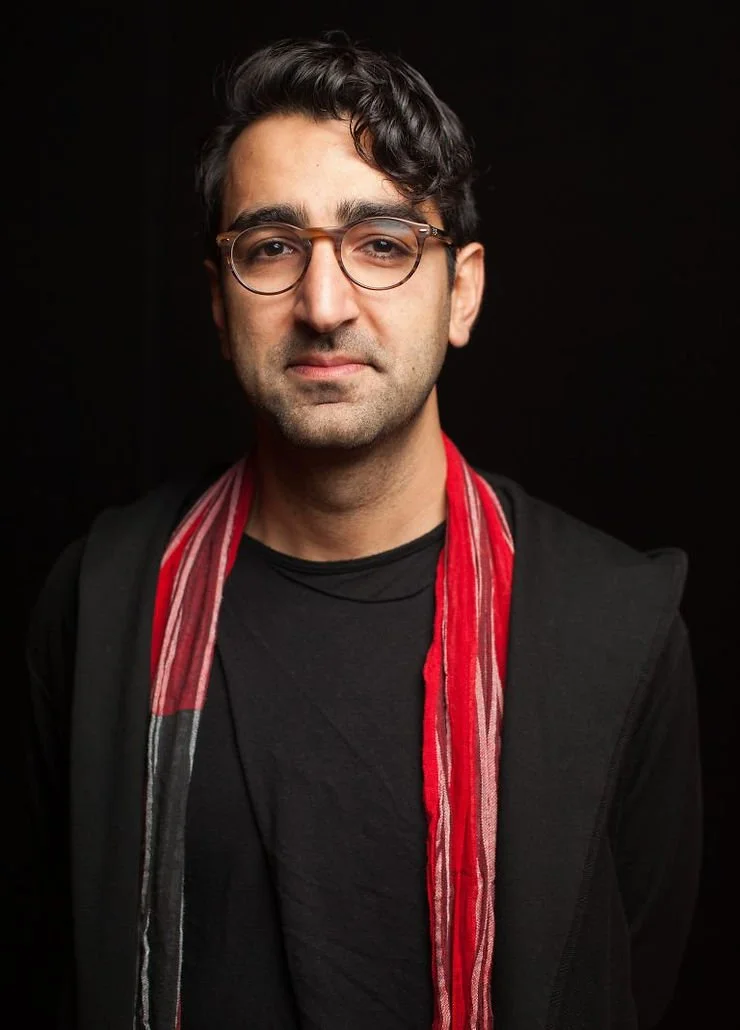
San Francisco composer Sahba Aminikia never heard a woman sing in public, on radio or television while growing up in Tehran in the 1980s. They were banned from doing so by Iran’s ruling mullahs after the 1979 Islamic Revolution. The clerics think the solo female voice can trigger lust, says Aminikia. But he wanted to hear and share the singing of Iranian women, who can only perform in private homes, for all-female audiences or, since the reforms of the 1990s, in a background chorus.
“Now you can see women onstage in Iran, but never as the main performer,” says the 34-year-old composer.
His intriguing 2015 work for female singers, the Brooklyn Youth Chorus and Kronos Quartet, “Sound, Only Sound Remains,” features the voices of Iranian women who sang songs into their cell phones and sent them to him over the Internet. The quartet performs the piece with the San Francisco Girls Chorus at SFJazz on Friday, Feb. 5, as part of Kronos’ Festival 2016: Explorer Series.
Aminikia, who has done several Kronos commissions, put out a call for musical collaborators on Facebook, which is officially banned in Iran but easily accessed by tech-savvy Iranians. He was astonished by what he received: about 100 clips from 40 Iranian women, singing everything from traditional Persian songs to jazz and opera.
He brings all those voices together in the opening of this piece, creating what he calls “an ocean of sound, this beautiful sonic texture.” Out of that comes the main part of the piece, which is sung in Farsi and based on a waltz-like love song recorded in the 1920s by the Armenian Iranian singer and actress Loreta Hairapetian. Aminikia, who heard the tune on a compilation of Persian music by female singers, “reimagines it” by merging the original recording with the taped voices of two young contemporary Iranian women singing the song.
“I used a looping technique to create the effect of an old record player that gets stuck,” the composer says.
He asked Ooldouz Pouri and Mina Momeni, who had never recorded before, to sing the tune after hearing their audio clips.
“Their voices were amazing. They were divine,” says Aminikia, who was concerned about using the women’s names until they assured him it was OK as long as they weren’t involved in political activity.
Before leaving Tehran at 25, Aminikia absorbed all kinds of music, from traditional Persian songs and the call to prayer “every morning at 6 a.m.” to Chick Corea’s jazz piano, the minimalism of Steve Reich and, thanks to the black market, pop records by Iranian women living in Los Angeles. He earned degrees in composition at the San Francisco Conservatory of Music.
Aminikia was last in Tehran in 2012, but won’t be going back anytime soon. He was abducted in front of his parent’s home by Iranian security agents, driven out to the desert, beaten, had a gun stuck in his mouth and was questioned about links he might have to American spy agencies. They told him to leave the country in 48 hours.
“I don’t wish that on any human being,” says Aminikia, who thinks he was targeted because of interviews he’d given Voice of America.
That experience inspired his 2014 piece “Shab o Meh” (“Night and Fog”), but he stresses that “Sound, Only Sound Remains” is not meant as a political statement of any sort.
“I want to bring out that beauty, and a hopeful message of peace from the Iranian people to the American people,” he says.