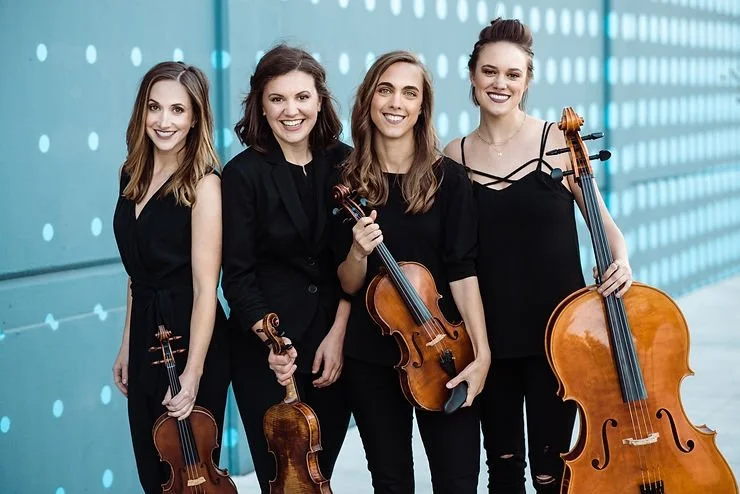
San Francisco’s Amaranth Quartet offers world premieres in its D.C. debut
Four women formed the Amaranth Quartet at the San Francisco Conservatory of Music in 2014, and the group made its Washington debut Wednesday night, closing out the season of free concerts at the National Museum of Women in the Arts. The results were mixed, with two intriguing world premieres bookended by less assured performances of older music.
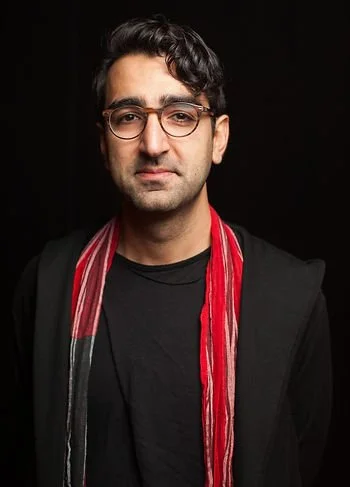
Beyond the Dead White Europeans
Present Music concerts are themselves unique creations. The contemporary chamber concert series to be performed this week at four venues – Thursday through Saturday – began with only a title: “Give Chance a Piece.” It was PM ensemble member Eric Segnitz who came up with the title, “and I thought the phrase, and its various meanings, had merit,” says Artistic Director Kevin Stalheim. What began as a daft pun wandered in many directions as it came together.
“I’ve been wanting to do more composers that are outside of the dead white European tradition,” to reflect “where we are in today’s world.” Stalheim observes. The concert represents that diversity: three young women composers with roots in Iran, Armenia, Serbia and India. Their compositions often reflect their heritage and personal experiences. Non-Western musical sources add fresh perspective to their music.
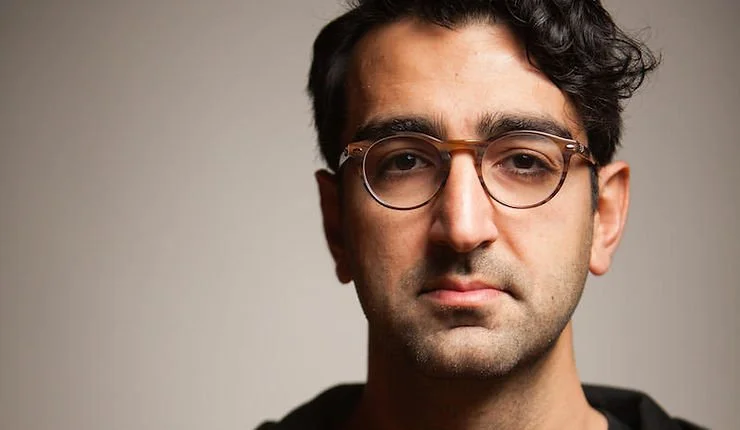
Bay Area Beats: Sahba Aminikia
Contemporary classical composer Sahba Aminikia came to San Francisco as a refugee. Born and raised in Iran in the '80s, he left as a young man to study music in Russia, and was a graduate student at the San Francisco Conservatory of Music.
The music he composes is deeply tied to his Iranian roots — he’s written pieces inspired by traditional work songs of Persian carpet weavers, or incorporating the voices of Iranian women whose singing has been stifled by religious restrictions.
Aminikia came into KALW’s studio to talk about his music and where it comes from, in this edition of Bay Area Beats.
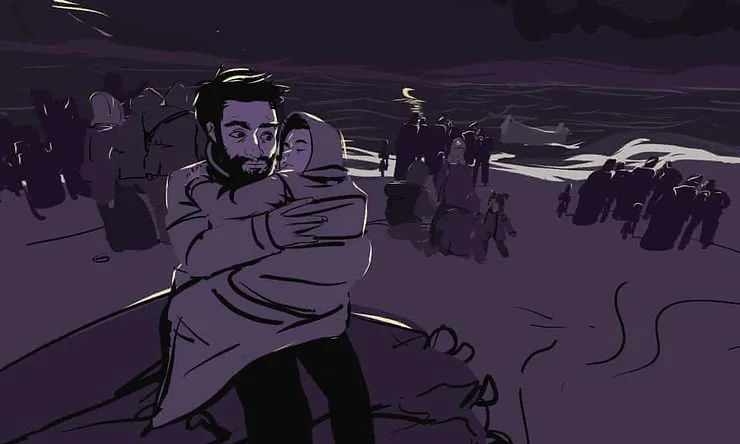
The Guardian launches Sea Prayer, a new virtual reality experience
The Guardian is pleased to announce the launch of Sea Prayer, the publication’s latest virtual reality (VR) project, written by Khaled Hosseini and narrated by BAFTA Award winning actor Adeel Akhtar.
To commemorate the second anniversary of the tragic death of Alan Kurdi, the three-year-old Syrian boy who drowned whilst attempting to reach Greece in 2015, UNHCR Goodwill Ambassador and acclaimed author Khaled Hosseini (The Kite Runner; A Thousand Splendid Suns; And the Mountains Echoed) has written Sea Prayer, an imagined letter in the form of a monologue, from a Syrian father to his son lying asleep on his lap, on the eve of making the sea crossing to Europe to seek refuge and safety.
Sea Prayer is the first narrative animated virtual reality film created using Tilt Brush, a tool for painting in a 3D space with virtual reality. Using this tool, the Guardian’s in-house VR team, in collaboration with acclaimed VR artist Liz Edwards and post production studio SoWhen?, have brought Hosseini’s sensitive imagining of this letter to life.
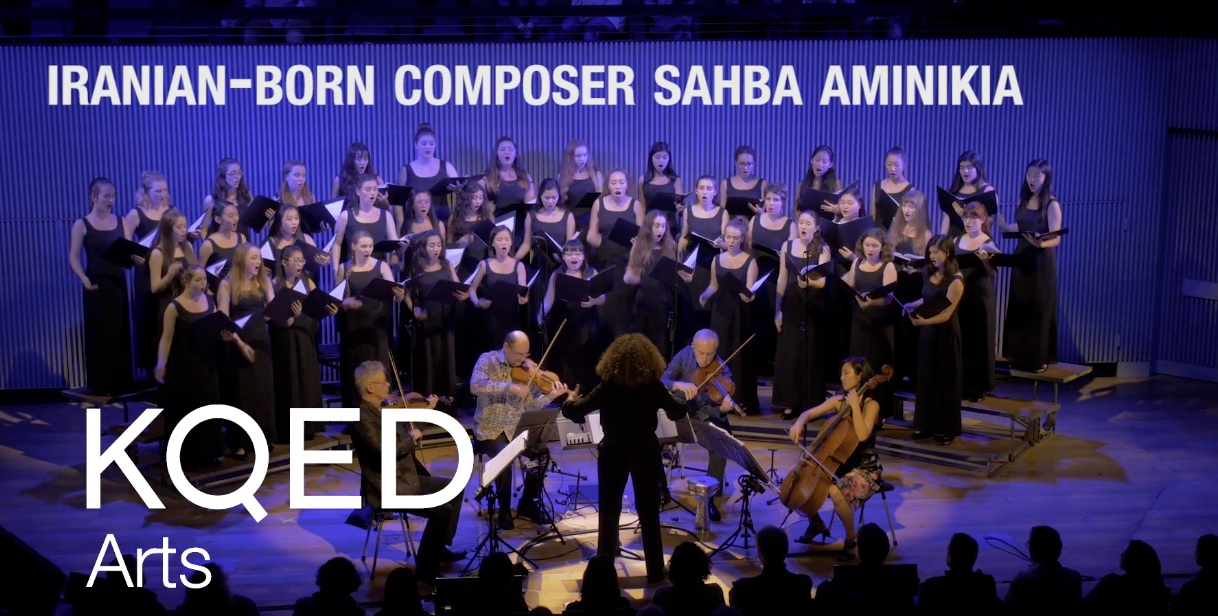
An Iranian-born Composer Bridges Worlds in Extreme Times | KQED Arts
A refugee from Iran, Aminikia brings together the voices of Afghan students and the San Francisco Girls Chorus, interwoven with the four string voices of the Kronos Quartet. For more: goo.gl/DCVKeq
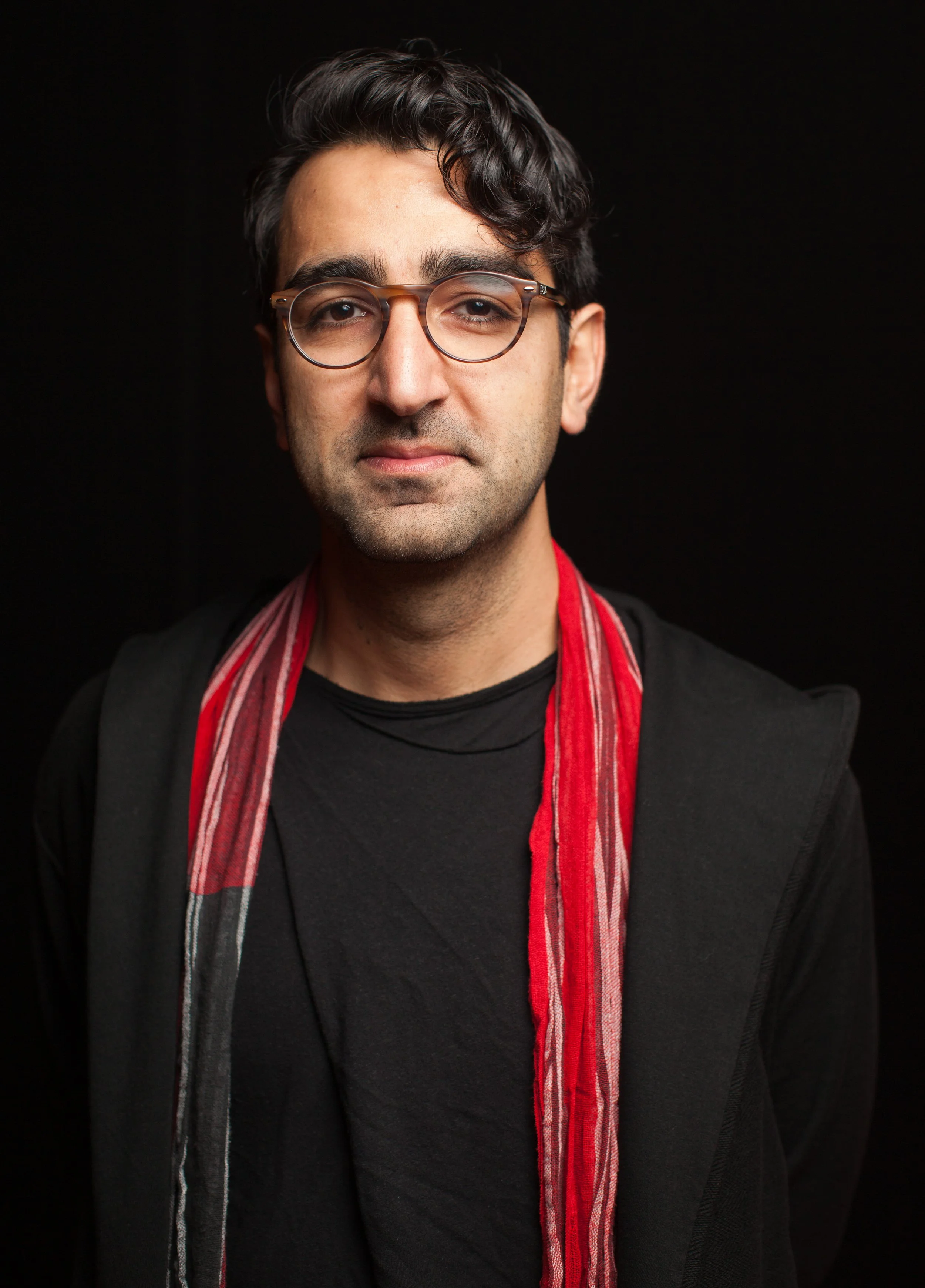
SAHBA AMINIKIA COMPOSES FOR THESE TIMES
Sahba Aminikia was called by the San Francisco Chronicle “an artist singularly equipped to provide a soundtrack to these unsettling times". Aminikia lives in the United States, but his family is from Iran. Early this month, his work was part of a festival by the world-famous Kronos Quartet, for whom Aminikia is writer-in-residence. His mother, a U.S. green card holder who is in Tehran, was caught in the travel ban issued by President Trump, so she missed the early February festival at SFJazz that included her son’s music.
Aminikia’s compositions are haunting and ethereal and combine elements from both eastern and western musical traditions to create sounds that are as exotic as they are familiar.
Welum caught up with the 35- year-old composer to ask about his music and how beauty and ethics are taken into account in his artistic creations and in his life.
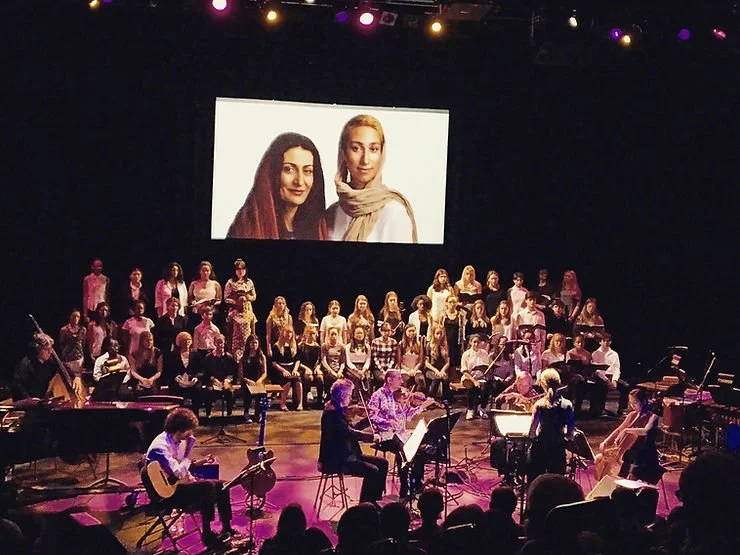
Sound, Only Sound Remains to Blend Old, New Iranian Music at Kronos Festival
If there’s one word that best describes the Kronos Festival 2016: Explorer Series running Feb 4-7 at SFJAZZ Center it’s “reach.” Or perhaps “reaching,” because there’s nothing static about this seven-concert showcase.
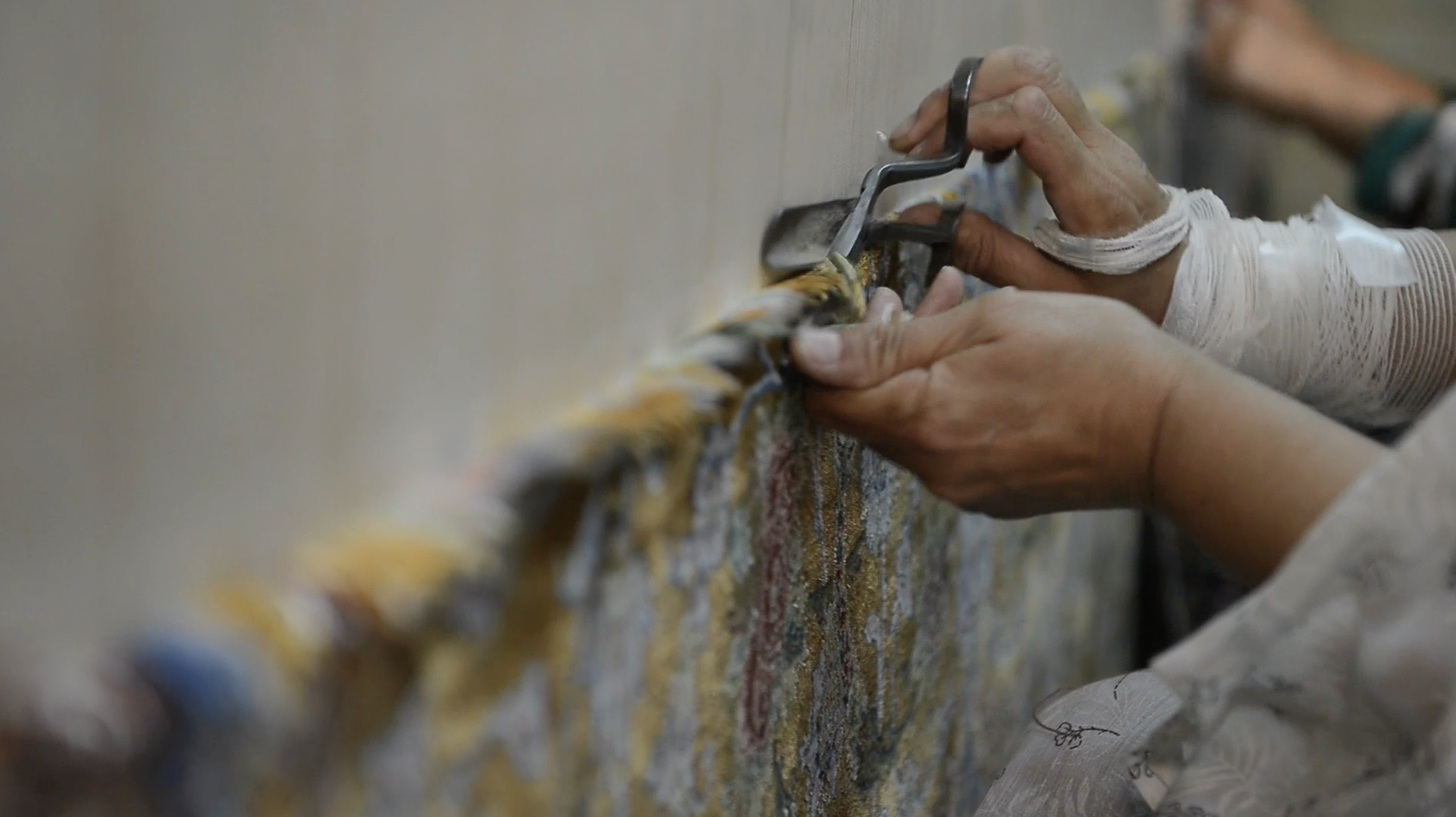
New Podcast – Kronos Quartet – Warp and Weft
Tar o Pood (Persian for warp and weft) is a collaboration between Kronos Quartet and Iranian-Canadian Sabha Aminikia. We interview violinist and Kronos Quartet founder David Harrington, ahead of the performance at San Francisco’s Switchboard Festival, on how their work is centred on a politics heavily informed by the group’s feelings about their own country’s foreign policy (Australia) and treatment of minorities. Sahba Aminikia has featured before on 6 Pillars. The first piece we heard of his was ‘Threnody for Those Who Remain’ in 2010, dedicated to Aminikia’s father. For Tar o Pood, Sahba spent months trundling around Iran recording weaving processes. During the performance the players wear headphones, playing along with work songs sung by Iranian weavers. The audience hear the weaving interspersed with the piece. Aminikia’s grandparents were carpet weavers from Kāshān and his grandmother’s singing was also used in the third movement of the piece.

Hotel Elefant showcases music as a medium for 21st century storytelling
In a program entitled speakOUT, Hotel Elefant, a new-composer collective, performed musical narratives ranging from horseback riding in Northern Iran to the public suicide of a Pennsylvanian State Treasurer. Combining seasoned chamber musicians, new works, and a cabaret-style venue, Hotel Elefant delivered an evening of captivating music as a form of storytelling.
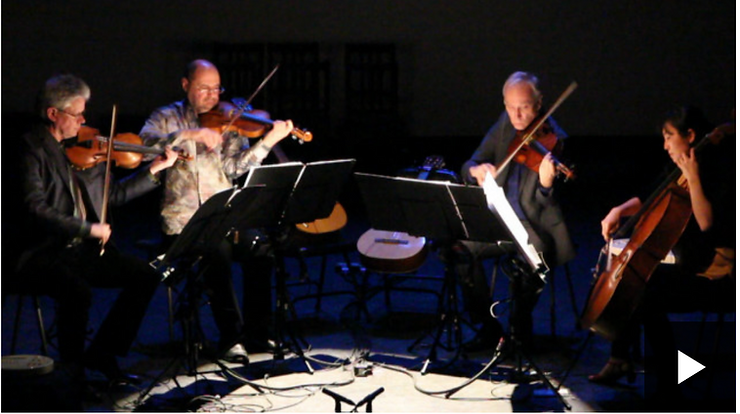
یک گروه موسیقی آمریکایی با الهام از فرش ایرانی نواختند
قالی های ایرانی مهمان جشنواره ای در آمریکا. گروه کرونوس کوارتت، یکی از مشهورترین گروه های موسیقی کلاسیک جهان، شنبه شب، قطعه تار و پود ساخته یک آهنگ ساز جوان ایرانی را به روی صحنه برد. این قطعه داستان قالی های ایرانی را به زبان موسیقی بیان می کند.
محمدرضا کاظمی گزارش می دهد.
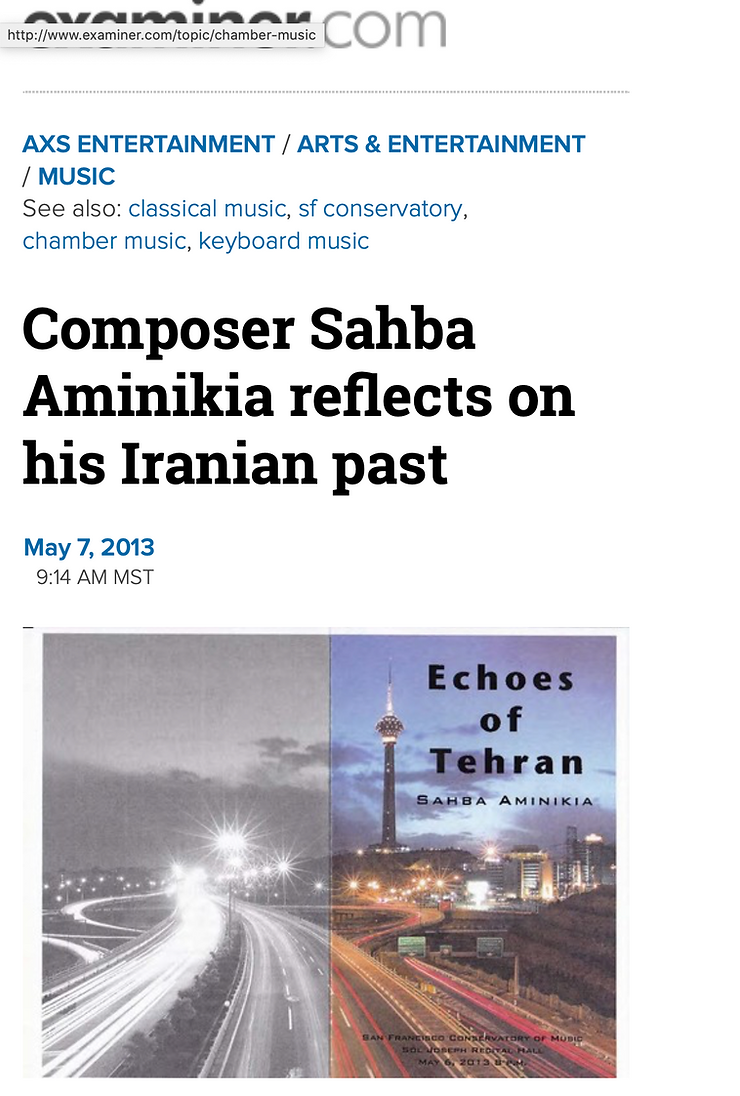
Composer Sahba Aminikia reflects on his Iranian past
Last night at the San Francisco Conservatory of Music (SFCM), Sahba Aminikia gave his Graduate Recital. He is currently studying composition with both Dan Becker and David Garner, having previously attended the St. Petersburg State Conservatory in Russia to study composition with Boris Ivanovich Tishchenko.
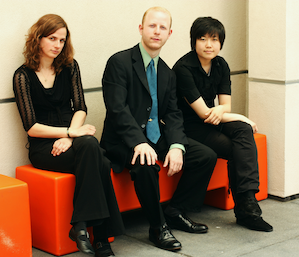
The Delphi Trio: Postcards From the Middle East
Sahba Aminikia’s Deltangi-Ha was premiered by the Delphi Trio Sunday afternoon at Old First Church. The new work is a series of what the composer calls “postcards” evoking memories from his life in Iran. It began with a strong hook — intense gestures uttered over a vehement ostinato in the piano, representing the bustling metropolis of Tehran. The flavor of Middle Eastern music was immediately palpable but not overpowering. It set the composer’s voice as strongly influenced by his native country’s idiom yet also undeniably informed by classical training and the world of academic new music — a healthy balance. In a preconcert talk, Aminika, whose string quartet was premiered by Kronos last year, remarked that his aim was to completely avoid the sound of “European sentimental music.” That’s pretty difficult to do with just piano, violin, and cello.
Radio Tehran Interview (in Farsi)
Here's an interview with Iranian composer, Sahba Aminikia with Radio Tehran in July 2012 following the release of the album "Miniatures" in Tehran, by Hermes Records.Radio Tehran Interview (in Farsi)

This year’s San Francisco Conservatory ‘exports’ to the Kennedy Center
Millennium Stage is a series of free concerts offered at the Kennedy Center in Washington, which take place every day at 6 PM (local time). Not only is admission free but also the performances are offered through live webcasts. The captured video is then archived for viewing at the convenience of any would-be audience. The San Francisco Conservatory has been participating in this series since 2004 through the Conservatory Project, which features the best talent from our country's best venues for advanced music education; and all seven of their past performances have been archived. The next one is scheduled for April 26.

Kronos Quartet, Yerba Buena Center for the Arts, San Francisco
Last week, to inaugurate a three-year relationship with this city’s most adventurous arts complex, the quartet revived the piece in a new production and, with it, reawakened the anxiety and despair of that woeful conflict. The players fiddle, wander the stage, strike gongs, shake maracas and, in the piece’s most haunting episode, three of the musicians on illuminated platforms bow crystal goblets, while the cellist intones a lamenting solo. The years have not muted the quartet’s buzzing attacks in the famous “Night of the Electric Insects” section. Black Angels disturbs still.